



Tips from a Professional Headshot Photographer
A professional headshot is one of the most important images you will ever use. Whether it is for LinkedIn, your company website, press features, speaking engagements, or personal branding, your headshot creates a first impression long before you ever meet someone in person.
Many people search for how to take a headshot because they want to look polished, credible, and approachable without overthinking the process. While hiring a professional headshot photographer is always the best option, there are situations where taking your own headshot is necessary or practical.
This guide walks you through exactly how to take a good headshot, using professional photography principles that actually make a difference. These tips come from years of experience as a professional headshot photographer working with entrepreneurs, corporate teams, creatives, and business owners.
What Makes a Good Headshot?
Before diving into how to take a headshot, it helps to understand what separates a strong headshot from an average one.
A good headshot should:
- Look like you on a good day
- Feel natural and confident
- Be well lit and properly exposed
- Have a clean, distraction free background
- Match the tone of your industry and role
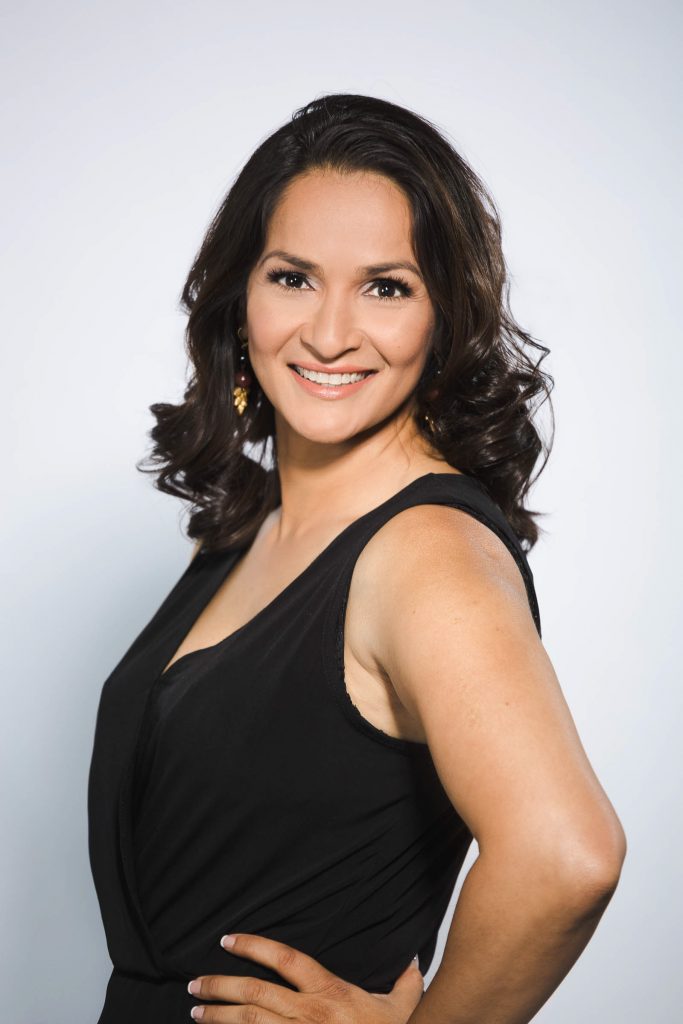
A headshot is not about perfection. It is about trust. People should feel comfortable reaching out to you after seeing your photo.
Lighting Is the Most Important Part of Headshot Photography
If there is one thing you get right, make it the lighting.
Professional headshot photographers rely on controlled, flattering light because light shapes your face, softens skin, and sets the overall mood of the image.
For a DIY headshot, natural light works best.
Stand facing a large window where soft daylight is coming in. The light should hit your face evenly. Avoid standing with the window to the side or behind you. Uneven lighting creates harsh shadows and can make your face look tired or unbalanced.
The best time of day for natural light headshots is mid morning or late afternoon when the sun is not harsh.
Avoid overhead lighting entirely. Ceiling lights create shadows under the eyes and nose, which is one of the biggest mistakes in amateur headshot photography.
If the light feels too strong, soften it with a sheer curtain or step slightly farther away from the window.

Choose the Right Background for Your Headshot
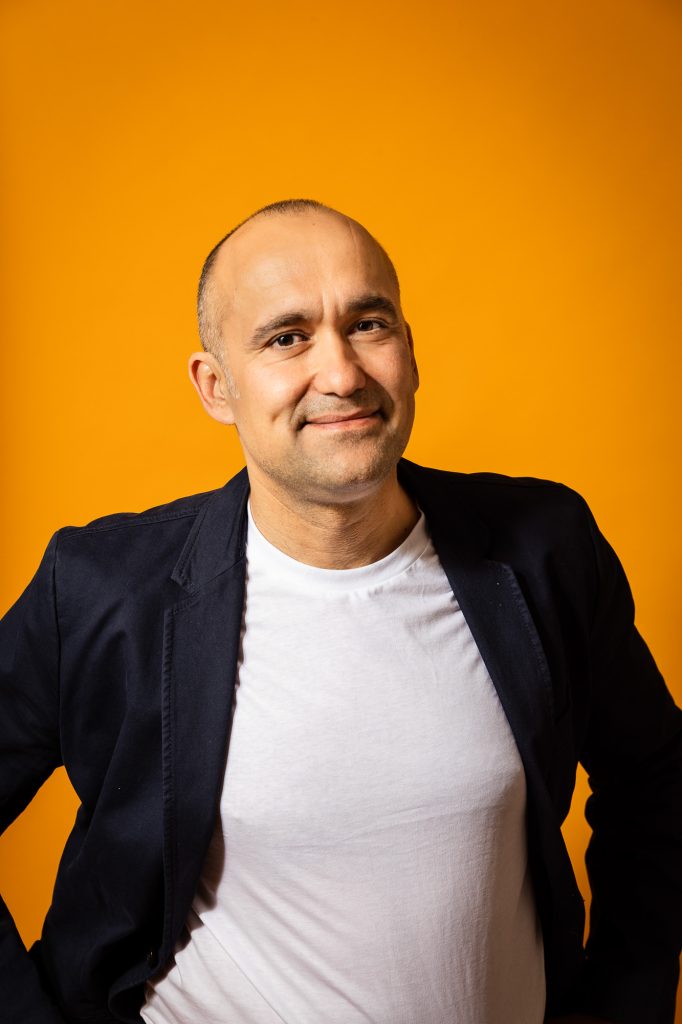
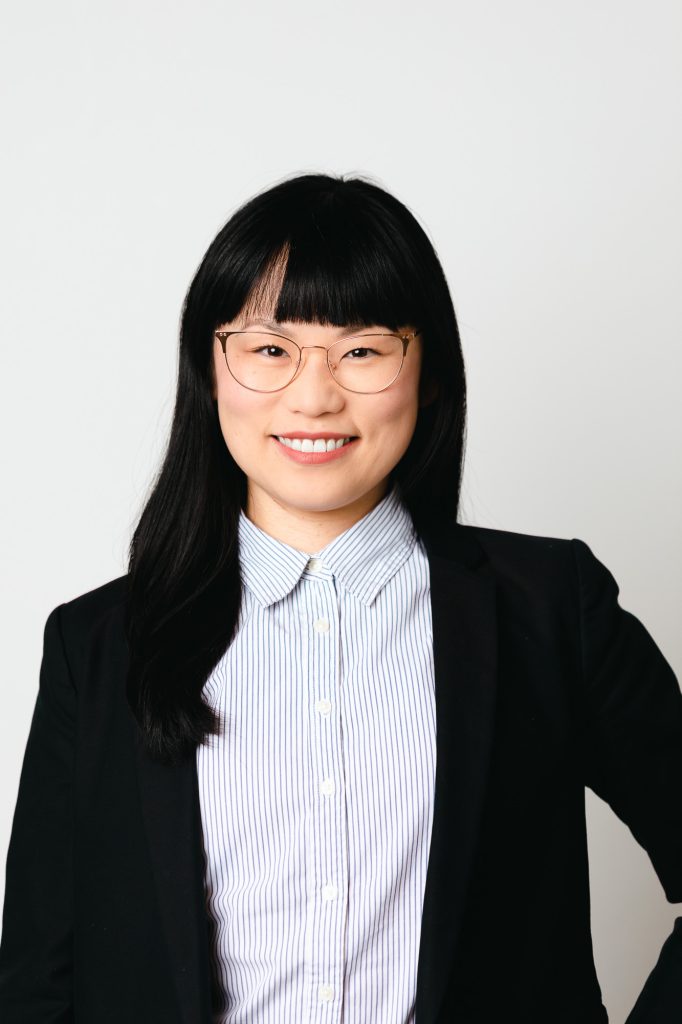
Your background should support your face, not compete with it.
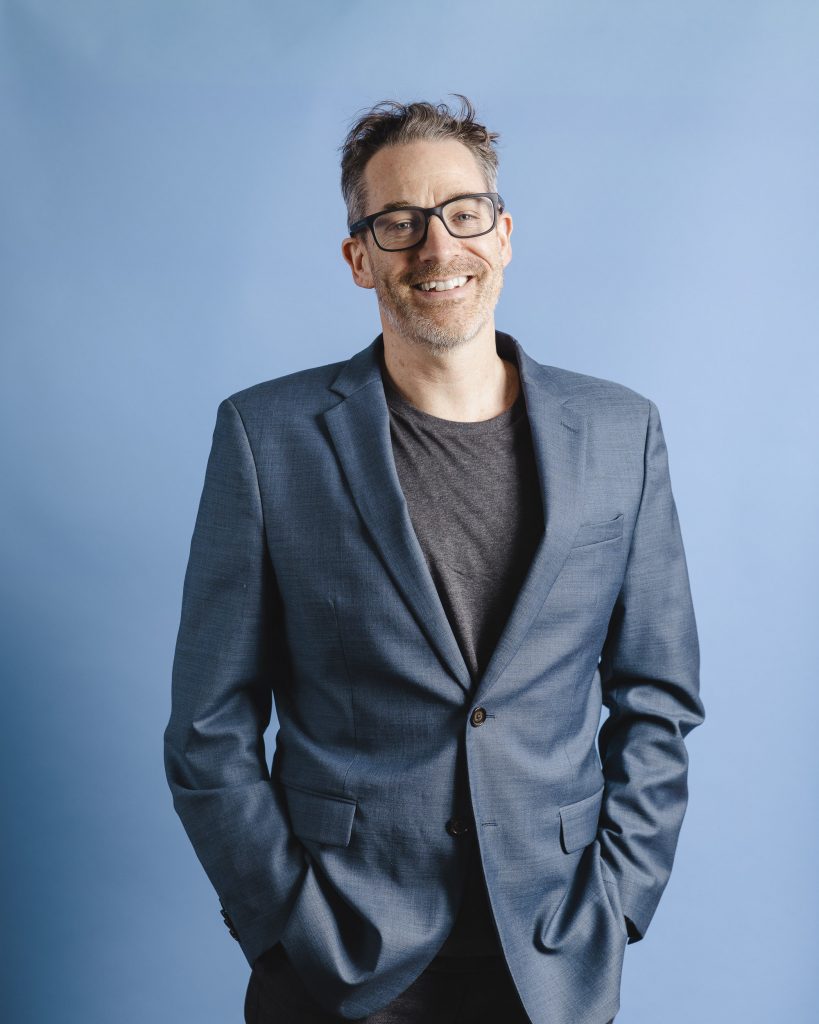
A clean, simple background works best for professional headshots. Neutral walls, subtle textures, or softly blurred spaces are ideal.
Avoid backgrounds with:
- Shelves
- Artwork
- Plants
- Door frames
- Busy patterns
Even small distractions pull attention away from your face, especially when the image is viewed at a small size on LinkedIn or a website bio.
Professional headshot photography almost always uses minimal backgrounds for this reason.

Camera Position and Angle Matter More Than Your Camera
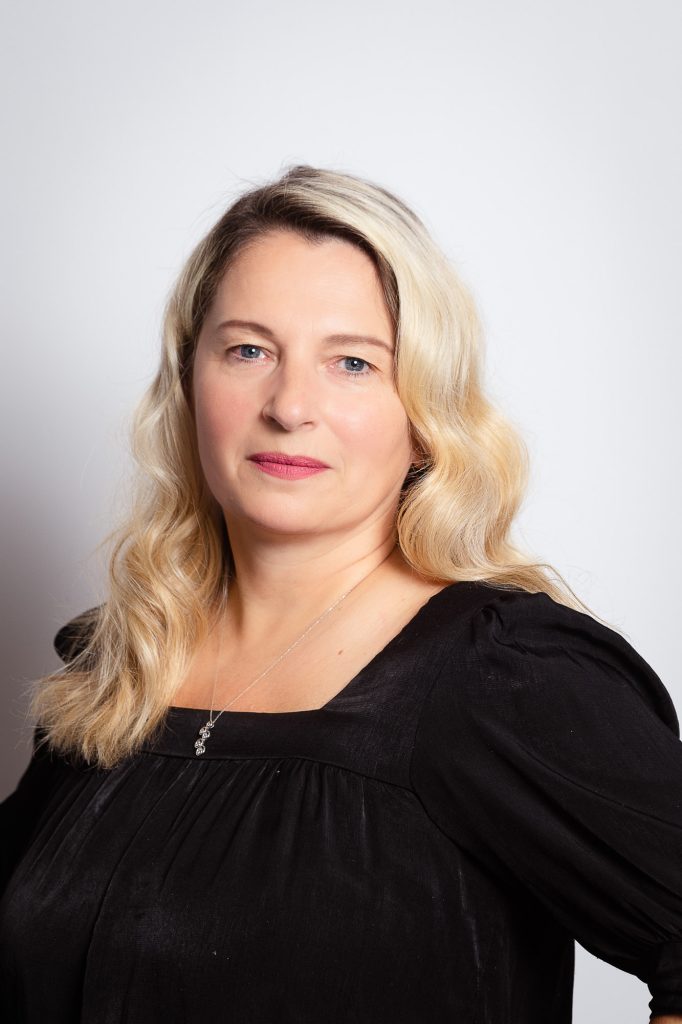
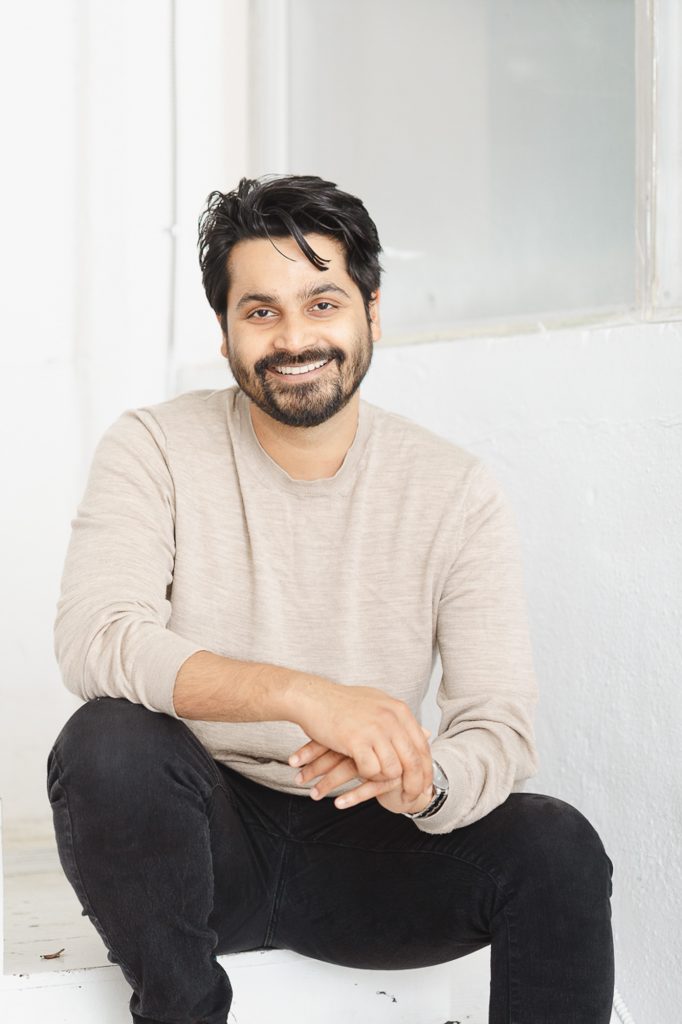
You do not need an expensive camera to take a good headshot, but you do need the right positioning.
Place the camera at eye level or slightly above. Never shoot from below your face. Low angles distort facial features and are rarely flattering.
If you are using a phone:
- Use the back camera, not the selfie camera
- Prop it up securely
- Use a timer or remote
Step back from the camera slightly. Being too close creates distortion, especially with wide phone lenses. A bit of distance helps your face look more natural and proportionate.
How to Frame a Headshot Properly
Framing is a key part of professional headshot photography.
A standard headshot crop includes:
- The top of your head with some breathing room
- Your shoulders
- Cropped around mid chest
Avoid cropping too tightly. Platforms like LinkedIn, company websites, and press features often crop images differently. Leaving extra space ensures your headshot stays usable across formats.
Always shoot both vertical and horizontal options if possible.
What to Wear for a Professional Headshot
What you wear in a headshot should reflect your industry, role, and how you want to be perceived.
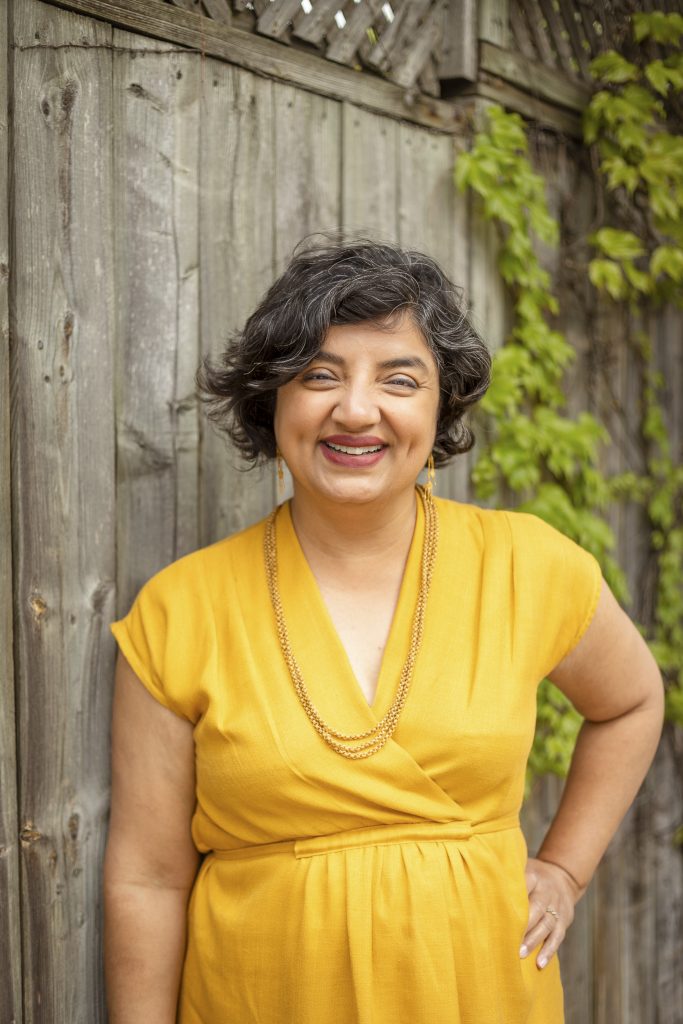
Solid colors photograph best. Neutral tones, darker shades, and muted colors are safe choices for most industries.
Avoid:
- Loud patterns
- Logos
- Neon colors
- Shiny fabrics
- Wrinkled clothing
Clothing should fit well and feel comfortable. If you are adjusting your outfit constantly, it will show in your expression.
Professional headshot photographers often recommend bringing multiple outfit options to a session. If you are shooting at home, take a few test shots to see what photographs best.
Grooming and Makeup for Headshots
Headshot grooming should always be natural.
The goal is to look like yourself, not overly styled or filtered.
For makeup:
- Keep skin even and natural
- Avoid heavy contour or shimmer
- Matte finishes photograph better than shiny skin
For hair:
- Tidy without over styling
- Watch for flyaways
- Avoid drastic last minute changes
For facial hair:
- Keep it neatly trimmed
- Avoid trying a new style right before the photo
Professional headshot photography focuses on subtle polish, not transformation.
How to Pose for a Headshot Without Looking Awkward
Posing is often what people struggle with most.
Start by standing or sitting up straight. Drop your shoulders. Bring your chin slightly forward and down. This feels strange but photographs well.
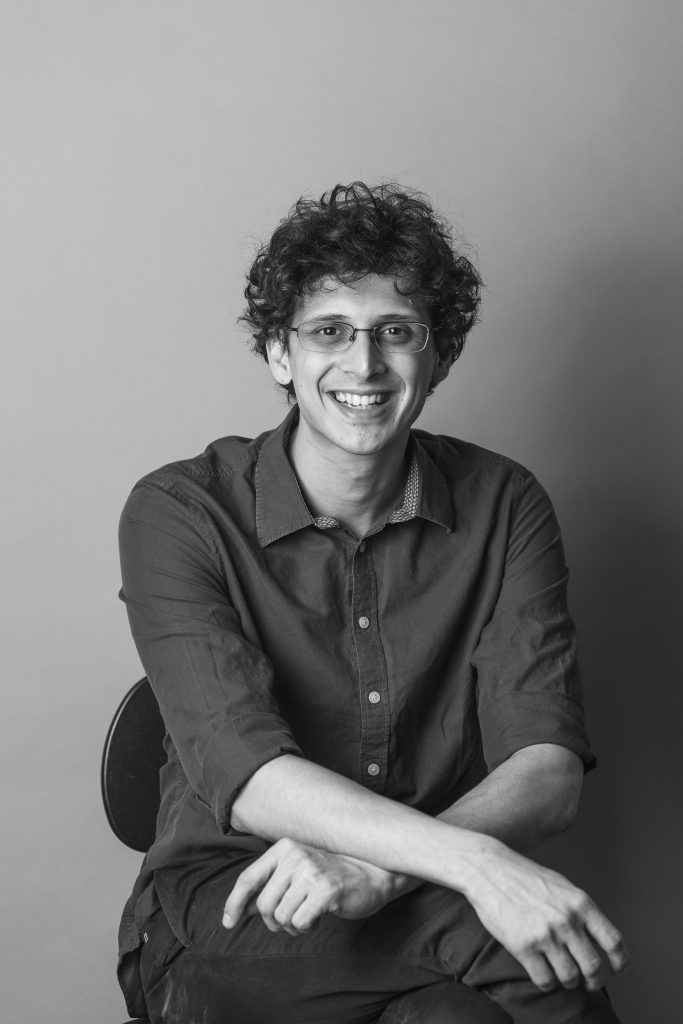
Turn your body slightly instead of facing the camera straight on. A slight angle creates dimension and looks more natural.
Relax your hands if they are visible. Tension shows easily in headshots.
Professional headshot photographers give constant direction during sessions. When shooting yourself, take your time and adjust slowly between shots.
Your Expression Matters More Than You Think
A forced smile is easy to spot.
Before taking the photo:
- Take a breath
- Relax your jaw
- Think of someone you enjoy talking to
A soft smile or neutral expression often works best for professional use. You want to look approachable and confident, not overly posed.
Take many photos. Small changes in expression can completely change how a headshot feels.
Editing Your Headshot the Right Way
Editing should enhance your headshot, not change your appearance.
Light edits to exposure, contrast, and color balance are fine. Removing temporary blemishes is also reasonable.
Avoid:
- Heavy skin smoothing
- Face reshaping
- Strong filters
- Over sharpening
A professional headshot should still look like you when you show up to a meeting or video call.
Common Headshot Mistakes to Avoid
Some of the most common headshot mistakes include:
- Poor lighting
- Busy backgrounds
- Shooting from too low
- Over editing
- Wearing distracting clothing
- Using old or outdated photos
If your headshot no longer looks like you, it is time for a new one.
When You Should Hire a Professional Headshot Photographer
There is a reason professional headshot photography exists.
If your headshot is tied to:
- Your business
- Your career growth
- Your personal brand
- Company websites
- Press or media features
- Speaking opportunities
Hiring a professional headshot photographer is worth it.
A professional brings controlled lighting, proper lenses, direction, consistency, and experience. The result is an image that works across platforms and lasts for years.
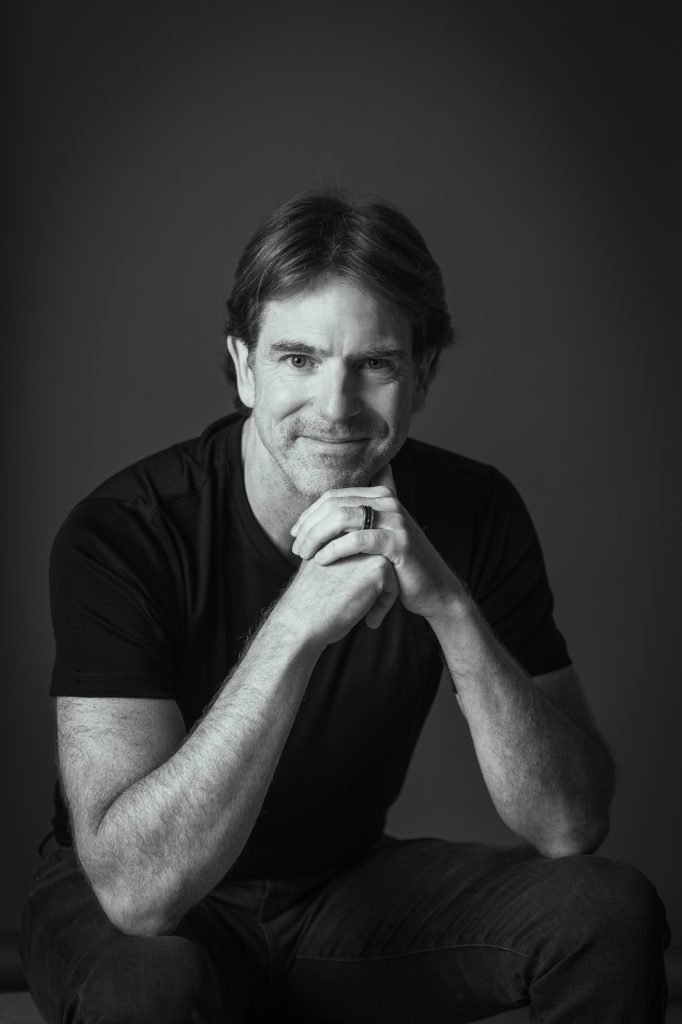
A strong headshot communicates confidence, credibility, and approachability without saying a word.

Final Thoughts on Taking a Headshot
Knowing how to take a headshot helps you understand what goes into a great one. Even if you plan to hire a professional headshot photographer, understanding the basics makes you more confident in front of the camera.
A headshot does not need to be perfect. It needs to feel like you, at your best, doing what you do professionally.
